
(#42): Planning a wedding
A practical and less practical guide to wedding planning

As I write, I hear Kourtney Kardashian saying, “Kim, there’s people that are dying.”
There are. It’s really weird planning, and paying for, a large celebration when there are so many people in the world suffering, struggling, and starving. It’s stranger, and more horrible, knowing that at least some of that suffering is paid by my tax dollars. It doesn’t necessarily feel appropriate to throw an expensive party while millions are fighting for survival, and in many circumstances, it’s not.
I’ve asked myself many times over the past several months whether, when, and why it’s okay to celebrate during tragic times, and I think I’ll spend the rest of my life discovering the answers. With weddings, conclusions come more easily: love, community, and joy are potent acts of resistance against bitterness and hate. If I were planning a wedding just about ostentatiousness and Instagram, I don’t think now would be an appropriate time for it, which is why I ask myself again and again, why are we doing this? Why are we making the choices we’re making? Why are we having a wedding at all? Every time, clarity comes in knowing that we’re doing this because we love each other, and we’re personifying that love in a special day, hopefully filled with such contagious heaps of it that everyone attending will know the depths of our love for each other and all of them.
Over the weekend, one of my friends texted me asking for wedding planning advice. She’s just starting, and it’s overwhelming. Immediately, I realized I had more advice than could fit in a text message, and there’s nothing soothing about receiving a barrage of texts about everything you should do and think about along the way. Initially, I planned on writing about this after our wedding was over, knowing what happened start to finish, but I’ve decided to do it now for two reasons:
I actually think it’s more validating and beneficial to write about the planning experience now, three months out, while the chaos of it all still swirls around me. Later, I might forget the intensity of this time. I might forget that while it’s fun, it’s very stressful, which runs the risk of me talking about it as though it was a very zen little fairytale adventure instead of something more like a fever dream.
Talking about it now allows me to underscore my first piece of advice, or token of event-planning wisdom (I also plan events as part of my day-job): something, maybe many things, will go wrong. It’s inevitable. In events, nothing ever goes exactly as planned. Hopefully, your guests will never know it, and it won’t be the big things, but it’s an important first step to accept that perfection is impossible, and that in order for your event to feel perfect, you need to embrace the wobbles along the way.
I don’t know what it will be at our wedding, but I’m sure it will be something. Knowing and allowing that helps me remember the details that matter most to us, so I can do everything in my power now for prevention, making sure those pieces have the best possible chance of going smoothly on the big day.
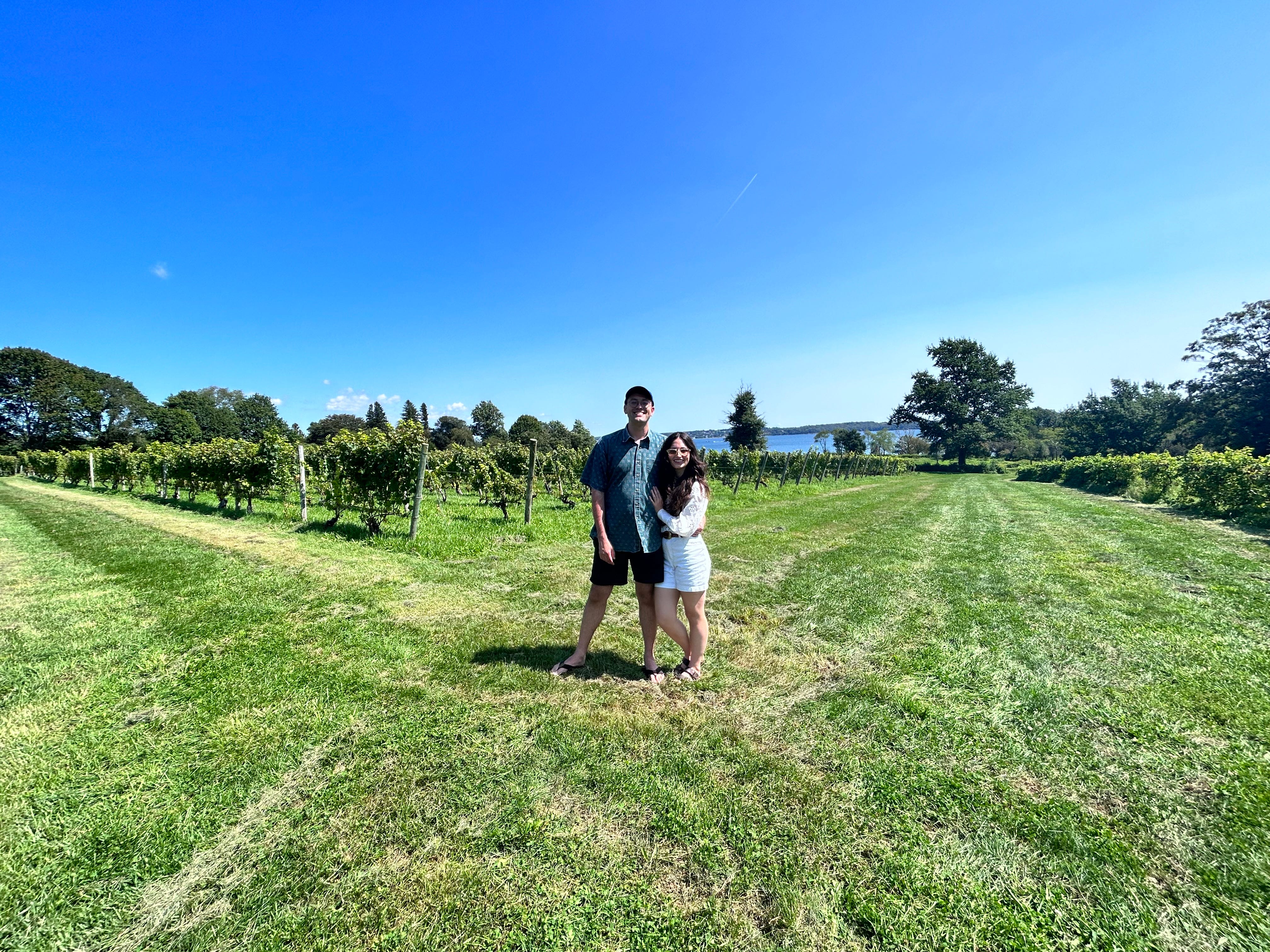
Before I get too much farther from the very beginning, where do you start when planning a wedding? A lot of the digital wisdom says start with your budget, which I’m not against, but it’s not what I did and I’ll tell you why. Plain and simple, money, unless you’re rich, stops dreaming. More often than not, especially in events, money presents limitations. Now, I’m not insane. I’m not saying “Imagine your dream wedding and don’t think about whether it’s financially feasible at all.” I’m saying, if you’ve decided to get married, give yourself a minute to imagine and get excited. It’s a big commitment, and you should mark it in a way that feels special. Talk to your partner about what their dream wedding looks like, and what yours looks like. That will make it apparent what your highest priorities are. For Jason and I, it was being outside, having our friends and family there, good food, and good music. Then, decide on a budget.
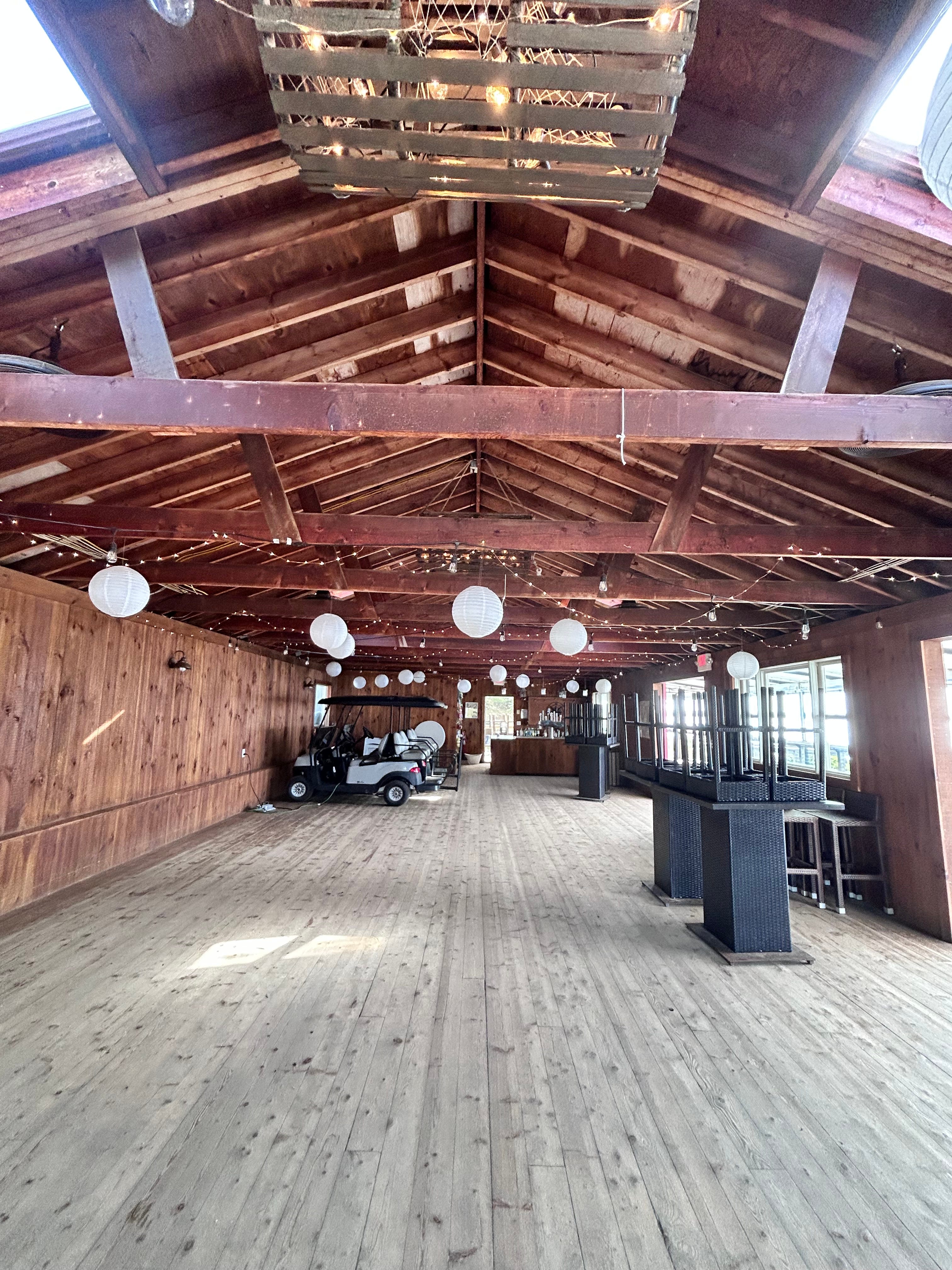
One piece of advice we did not follow that I saw somewhere recently on social media is not to let your guest count dictate your budget, but vice versa: your budget should dictate your guest count. A warning: throwing a wedding in any traditional sense of the word is expensive. To do it affordably, you have to get creative. If having 100 people there is important to you, you might want to get creative with the venue and the food, because those are going to be extremely expensive for 100 people. If we really needed it, we had at least two people in our lives who would’ve let us throw our wedding at their houses, and we could’ve done it potluck-style, which I actually think would have been a really fun option (I LOVE a potluck). It’s also getting popular to host weddings at restaurants, which can be more affordable because you’re getting the venue and catering in one package, instead of paying those separately. One thing I really understand now is why people throw weddings at traditional venues like banquet halls – they come with everything ready-to-go including food, dance floor, bathrooms, weather contingencies, furniture, linens, staff, etc. When you go with a non-traditional venue, you’ll likely need to bring all of those things in, unless you decide to host a tiny wedding, or elope.

There are so many ways to mark the occasion, and it’s easy to get wrapped up in more traditional ideas about what that looks like. I’ve caught myself so many times worrying about other people’s expectations. Will everyone like this? Will people be offended if we do or don’t do that? Will people think this is stupid? It’s hard freeing yourself from other people’s expectations, especially around emotional milestones. The people you love want to share in your big moments, and it’s hard not to feel the weight of their wishes and dreams for your special day. Because weddings are such a huge part of the American cultural conversation, everyone projects their own wants, needs, dreams, and desires onto them. People share opinions more freely and bluntly than they do about other parts of your life. One of the best pieces of advice I received early on in the planning process was from our photographer and friend Haley O’Callaghan. Haley is both extremely talented and an all-around amazing person. When we jumped on the phone to talk about our wedding for the first time, she emphasized that the best weddings with the best photos emerge from authenticity. She reminded me again and again that we should stay true to ourselves and infuse who we are into our day, instead of catering to social media trends or other people’s idea of a great wedding. And since she’s truly the best, she also told me that when in doubt, I could blame her lol. I haven’t had to do that yet, but I understand the practicality of it. Sometimes, it’s easier to break with other people’s expectations when it’s less personal. It’s easier to say, “We can’t do that because our photographer warned against it,” than “We hate that idea.”
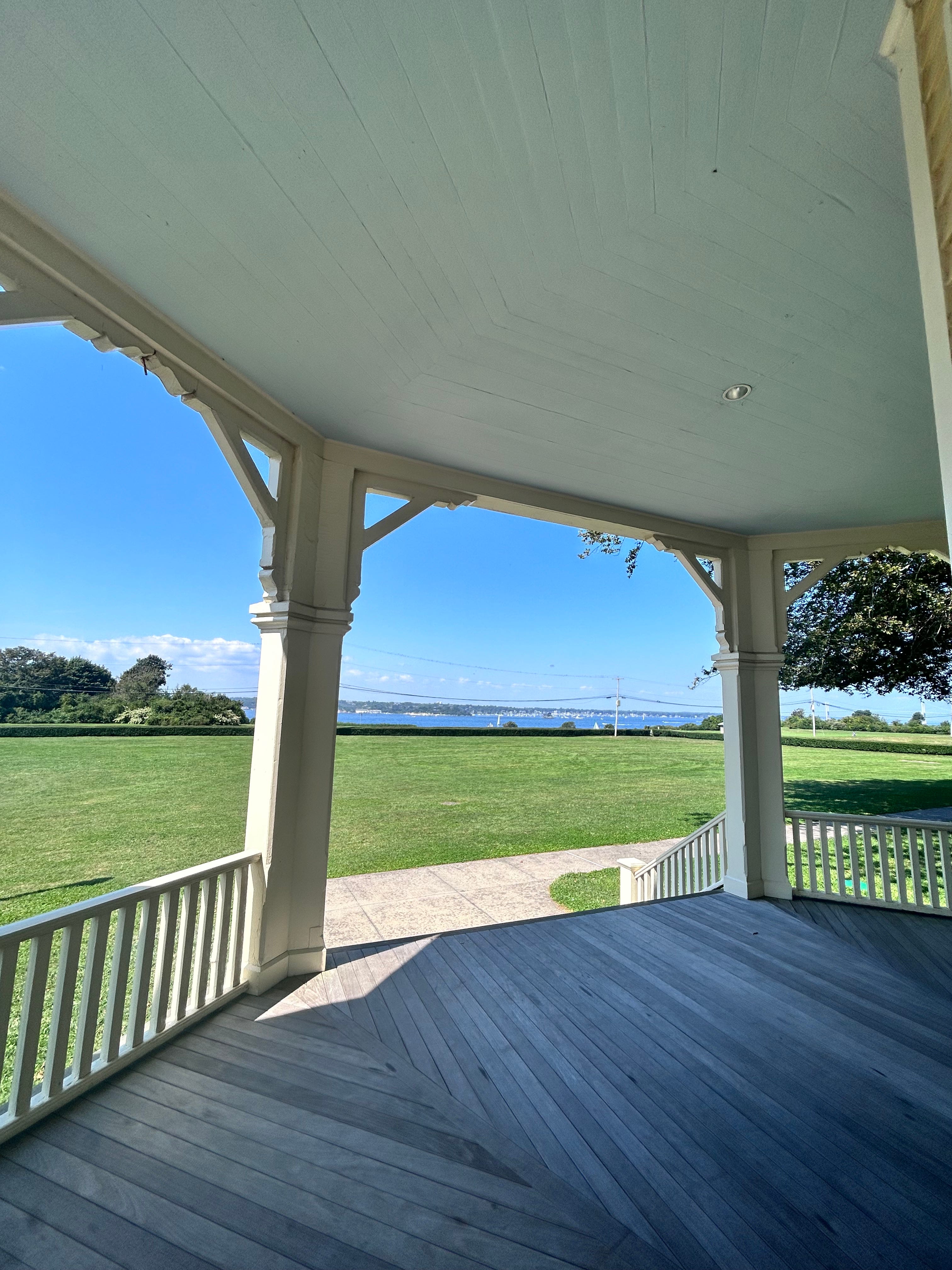
I think a lot of people come to articles about wedding advice looking for a formula to make the process more manageable. I can provide one, but it’s boring for anyone who’s not getting married. I can tell you all about the master spreadsheets I create for every event I plan (not just for our wedding), and the importance of building out a roadmap from the date planning begins to the date of the event, assigning every task a deadline, an owner, and providing regular progress updates there. I can tell you about how to look for vendors and in what order, but there’s a ton of information all over the internet about how to do that, and the truth is you just need to do it. You need to get on top of it sooner than you’d probably like to, and you need to get many competing quotes. You need to ask why things cost what they cost, and try to negotiate fairly where appropriate (quick tip: if they’re a small business or self-employed, this is their livelihood so the service costs what it costs). Don’t assume set-up is included in literally anything. Always ask every question you can think of, even if you’re worried it’s ridiculous. Importantly, in events, and life, remember that you always get more with honey than you do with vinegar.
Throughout this process, I’ve had a lot of lovely people in my life offering to help. I feel really lucky and grateful for that, and I think many of them think I’m not taking them up on those offers enough. In fact, while this is often overwhelming and stressful, I’m having fun. I love constructing a day that captures the essence of the life and love I’ve built with Jason, inviting all the people we love a little more inside of our world. AND, it’s hard for me to ask for and accept help. It’s something I’m working on. A month ago, I called one of my best friends and asked her to handle picking out wines for our wedding, because the thought of doing it myself stopped sounding fun and starting sounding daunting. She said yes, gladly. Surprising nobody but me, when people offer help, they mean it, and the people who love you will help when asked.
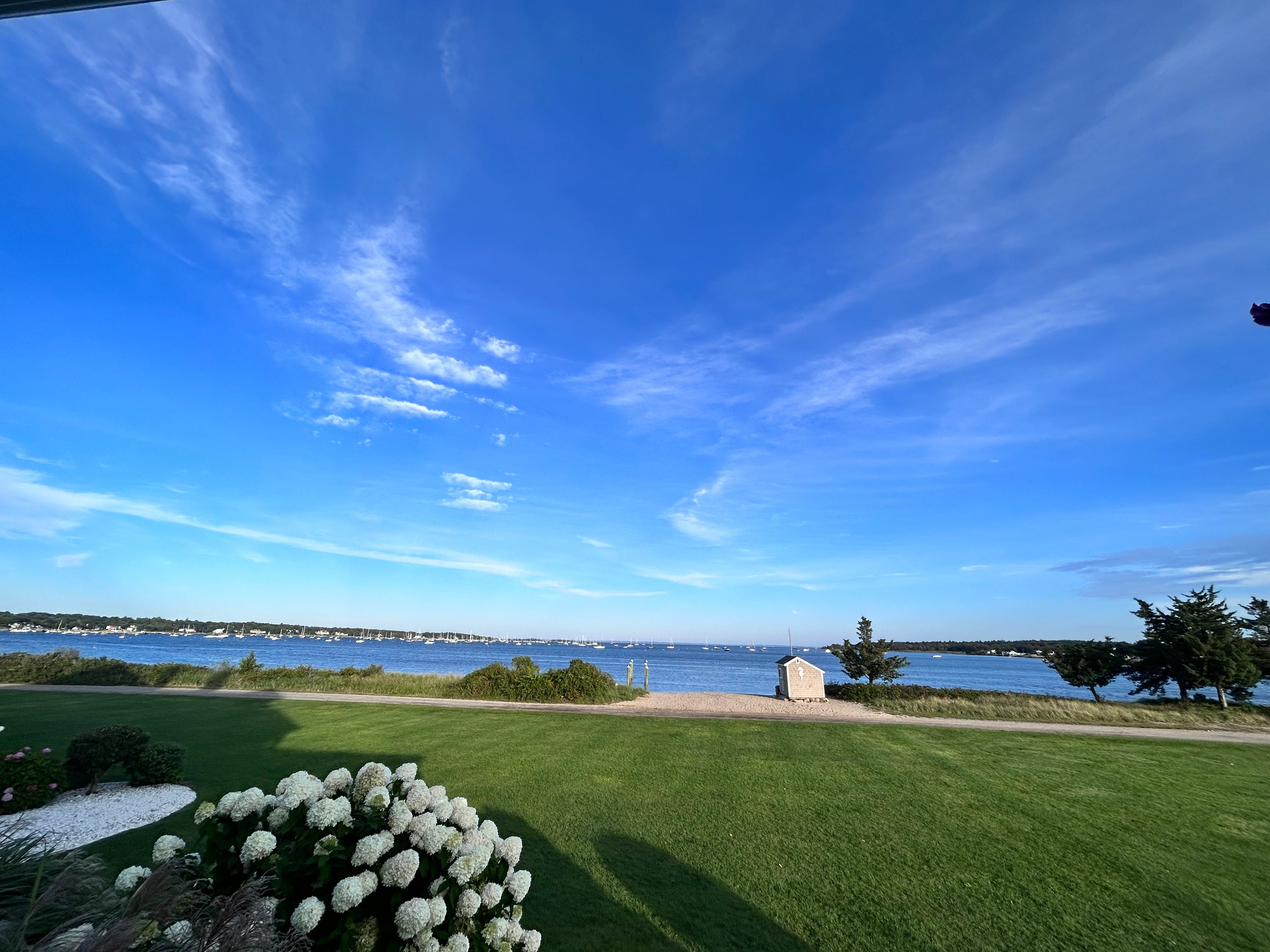
Most of the time, I’m only a little afraid that I’m forgetting something important. Every few months, I have an anxiety dream, like the one where Jason showed up to our venue just before the ceremony started and told me he forgot to bring a suit. Both my Mom and one of my bridesmaids have dreamt that they forgot their dresses on the day-of and had nothing to wear. In those anxious moments, I think about everything I’m most looking forward to on our wedding day. Putting on my beautiful dress, seeing Jason for the first time, reading my vows (aka marrying Jason!!), hearing the cinematic soundtrack we’ve put together to perfectly amplify every important moment, and dancing my little heart out with everyone I love. Thanks in large part to social media, I think we take weddings way too seriously these days. It’s not a test of status, elegance, trend setting or spotting, it’s about celebrating life, love, choices, and people. I want ours to radiate unbridled enthusiasm for life, and the extreme joy and pleasure in the miracle of finding anyone at all that we love enough to share it with. Knowing that genuinely makes the planning part easier.
Hot
Miss Me? - I’ve been binging Lily Allen and Miquita Oliver’s BBC podcast over the past several days and I can’t get enough of it. It’s really funny and insightful and touching how two lifelong friends talk to each other and navigate conflict in real time.
Gumshoe by Harling Ross Anton - I’ve loved Harling’s style but was a free subscriber to this until she posted her wedding recap last week. I didn’t know she got married in Newport, RI, which is where I’m getting married, and I instantly subscribed to read the whole post. It’s one of the only things I’ve read while wedding planning that felt inspirational instead of overwhelming, and made me feel excited to keep infusing personal details and thoughtful touches into our own plans.
Pyunkang Yuhl SPF - I’ve really been loving this spf which I bought when I couldn’t find Beauty of Joseon in stock anywhere. It reminds me a lot of the Innisfree Watery Sun Gel formula. Super lightweight, moisturizing, spf 50.
Bothered
THAT speech - not going to link it or name any names because it doesn’t deserve any more air time, but I was very bothered when I heard about that football-player’s commencement address referring to the “diabolical lies” women have been told about what they should aspire to achieve, and claiming that women’s lives only begin when they become homemakers. It’s easy to blame this kind of misogynistic language on religious and political groups, but it’s made me deeply contemplative about what’s going on in our society as I’ve noticed more examples of this harmful, hyper-traditionalist rhetoric popping up in the past year or so….
“Maybe You Shouldn’t Talk to Someone,” by Melissa Dahl for The Cut - The Cut has really jumped on the hot takes for mental health month and it’s giving me the ick. At first, I wondered if I’m being defensive, because I’ve found, and continue finding, therapy really helpful. Then, I realized I think this is just a reductive, privileged, bratty take that essentially assumes what works for one person in therapy works for most people in therapy. Maybe, like all things, different people just need different things, and that’s okay.
Fatigue - P.E. Moscowitz addressed activism fatigue and solidarity beautifully in this week’s Mental Hellth. A favorite quote: “Weil underlines what is perhaps the most elusive aspect of organizing internationally and across gulfs of time. The utopic result, if it ever happens, won’t be ours to enjoy. And it shouldn’t have to be.”
You made it! Leaving you with this because I’m seeing Megan Thee Stallion TOMORROW!